Skip to content
Carnot

Rental Chiller Solutions

The capacity you need, for exactly as long as you need it — a rental chiller and compressor fleet for planned maintenance, breakdowns and production peaks.

Planned maintenance, unexpected breakdowns, production increases and long-running projects each create different cooling needs. Chiller rental meets these needs with equipment matched to the length of use and the process conditions.

At Carnot, we plan our short- and long-term rental solutions around your plant's cooling load, operating temperatures and existing infrastructure. From equipment selection and site connections through to commissioning and technical support, we look at the whole process together to support the cooling conditions your production needs.

Short-Term and Temporary Cooling

Planned Maintenance and Overhaul Periods

Taking the central cooling system offline for maintenance, overhaul or replacement can create a temporary capacity need for production. The load on the lines that will keep running during this period is determined, and the required cooling capacity and connection layout are planned accordingly.

At Carnot, we handle installing the rental system and taking the existing equipment offline within the same working schedule. By assessing pipework, electrical supply, valve layout and the changeover steps in advance, we aim to keep production supported throughout the maintenance period.

Temporary Cooling for Emergency Breakdowns

The capacity lost to an unexpected breakdown can raise process temperatures and constrain production. When defining a temporary cooling solution, the production lines that need protecting and the minimum capacity required come first.

Equipment, transport and site connections are organised based on unit suitability and availability. The temporary system's electrical and hydraulic requirements are checked and the commissioning process planned accordingly.

Seasonal and Temporary Capacity Increases

Rising outdoor temperatures in summer, combined with higher production volumes, can push existing cooling infrastructure to its limits. Additional rental capacity helps meet the cooling production needs during these busy periods.

We assess the capacity a rental unit can actually deliver at the real water and outdoor temperatures involved. Options for connecting in parallel with the existing system, or feeding a specific production line independently, are examined in terms of flow distribution, pump operating conditions and temperature control.

Trials and New-Line Commissioning

Permanent cooling infrastructure may not yet be ready while new machines are being trialled or during pilot production and capacity testing. Using a temporary chiller creates the temperature and flow conditions these trials need.

Test duration, variable loads and the equipment's technical requirements are assessed together. The operating data gathered during this period can also help define what the permanent cooling system will need.

Long-Term Chiller Rental

Cooling Infrastructure Matched to Your Production Plan

Long-term rental offers an alternative to purchasing for businesses with a continuous capacity need, a new investment rolling out in phases, or operations tied to a project timeline. Rental duration, equipment capacity and service scope are set according to the production plan.

At Carnot, our long-term rental solutions take the unit's annual operating conditions and maintenance needs into account together. By planning the cooling equipment, site connections and technical-support scope as one package, we put together a solution suited to the business's long-term use.

Lower Upfront Investment

Renting can reduce the need to cover a cooling group's purchase cost upfront. Businesses can put their resources toward production equipment, capacity increases or other operational needs instead, while installation and infrastructure costs are set according to the project's own requirements.

More Predictable Cost Planning

Defining the rental term, payment plan and service scope in advance makes budget planning easier. The contract sets out whether maintenance, labour, spare parts and breakdown response are included. Energy consumption and other operating costs are also factored into the total cost of use.

Maintenance and Technical Support Managed Together

The periodic maintenance schedule is built around the unit's run time, ambient conditions and manufacturer requirements. Running maintenance and technical intervention under the contract through the same organisation simplifies service coordination and keeps the equipment's condition under regular review.

Adapting to Changing Capacity Needs

If production load changes over time, options for additional units or different equipment capacities can be considered. These adjustments are planned around contract terms, equipment availability and the site's technical suitability.

When capacity changes, electrical supply, pump operating point and pipework infrastructure are rechecked to assess whether the system still matches the new needs.

Flexibility on the Way to a Permanent Investment

The final cooling need of a new production line may not be settled at the outset. Long-term rental keeps production supported while real operating conditions are assessed. What's learned in the process helps define the capacity and control requirements for the permanent investment to come.

Our Technical Approach to the Rental Process

Needs Analysis and Equipment Selection

Required cooling capacity is determined from process load, target supply and return temperatures, fluid properties and length of use. Equipment selection weighs nominal capacity alongside its actual performance under real operating conditions.

For applications needing low temperatures or a glycol fluid, the unit's operating limits, capacity derating and pump requirements are assessed separately.

Hydraulic Connections and Water Circulation

For a rental unit to work properly with the plant, the required flow rate and pressure conditions need to be met. Pipe or hose length, connection sizes, and the pressure losses created by filters and heat exchangers are all factored into pump selection.

Where the unit connects into an existing system, we examine how the circuits interact, minimum flow requirements, and whether hydraulic separation through a heat exchanger is needed.

Electrical Supply and Site Layout

Electrical supply, connected load, protection devices and cabling requirements are assessed for the selected equipment. Unit placement takes airflow, avoiding hot-air recirculation, service access and handling conditions into account.

Commissioning and Operating Checks

After installation, water circulation, sensors, operating settings and protection functions are checked. The unit's operation under the actual process load is assessed, and the operating team is briefed on use and alarm monitoring.

Over the rental period, maintenance, technical support and, at the end of use, removal are carried out according to the agreed service scope.

Advance Preparation for Standby Cooling

Assessing a critical facility's temporary cooling needs before a breakdown happens can reduce the preparation needed when responding to one. The processes that need protecting, the capacity required, unit placement and connection points are determined in advance.

The preparation work considers electrical supply, pipe routing and changeover sequence together. Comparing how long the process can tolerate a stoppage against the equipment's lead time and installation time determines what standby capacity needs to be ready on site.

Our Rental Fleet

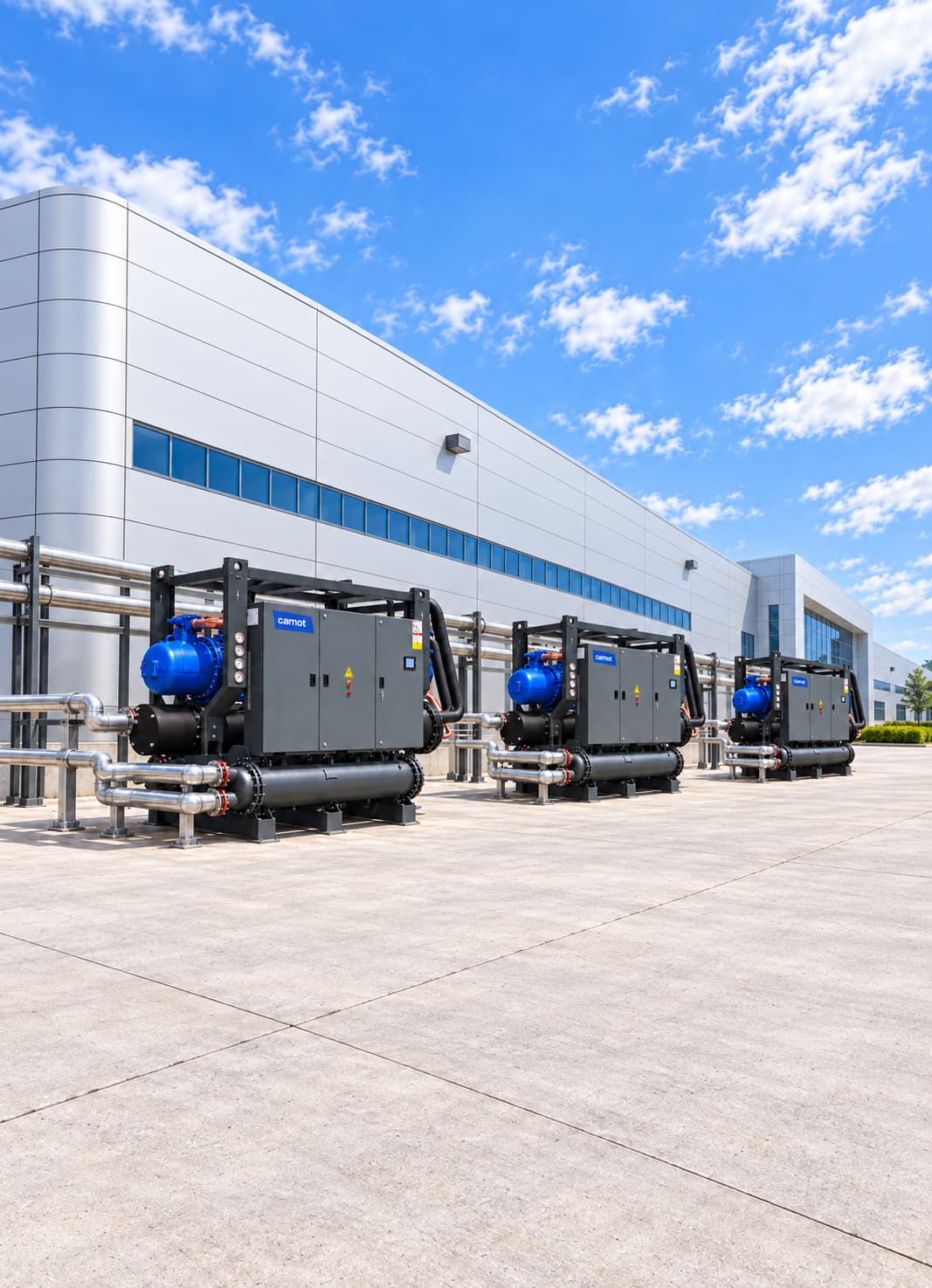
We assess our rental options against the capacity, operating temperature and site conditions required. The technical specifications and availability of suitable units are shared at the quotation stage.

Equipment selection weighs cooling capacity, electrical supply, water flow rate, pump characteristics, connection sizes and placement requirements together, so the preparations needed to integrate the rental system with your site are identified in advance.

Outcome

  • Capacity matched to process conditions

    Equipment selected against target temperature, flow rate and the real operating load.

  • Planned installation and changeover

    Electrical, hydraulic connection and site requirements assessed together.

  • Service scope matched to length of use

    Maintenance and technical support defined alongside short- or long-term rental.

Let's Plan Your Cooling Need Together

Share the capacity, operating temperature, site location and rental duration you need. At Carnot, we'll define the right equipment and service scope for your process and put together your rental solution.